learning-disabilities.title
learning-disabilities.subtitle
learning-disabilities.understanding
learning-disabilities.understanding-text
learning-disabilities.types
- learning-disabilities.type-dyslexia
- learning-disabilities.type-dyscalculia
- learning-disabilities.type-dysgraphia
- learning-disabilities.type-processing
- learning-disabilities.type-nonverbal
- learning-disabilities.type-language

learning-disabilities.approach
learning-disabilities.approach-text

learning-disabilities.strategies
- learning-disabilities.strategy-multisensory
- learning-disabilities.strategy-explicit
- learning-disabilities.strategy-scaffolding
- learning-disabilities.strategy-breaking
- learning-disabilities.strategy-repetition
- learning-disabilities.strategy-assistive
- learning-disabilities.strategy-study
- learning-disabilities.strategy-strengths
- learning-disabilities.strategy-compensatory
learning-disabilities.benefits
- learning-disabilities.benefit-performance
- learning-disabilities.benefit-confidence
- learning-disabilities.benefit-understanding
- learning-disabilities.benefit-compensatory
- learning-disabilities.benefit-motivation
Learning Disabilities
Personalized support for unique learning needs
Understanding Learning Disabilities
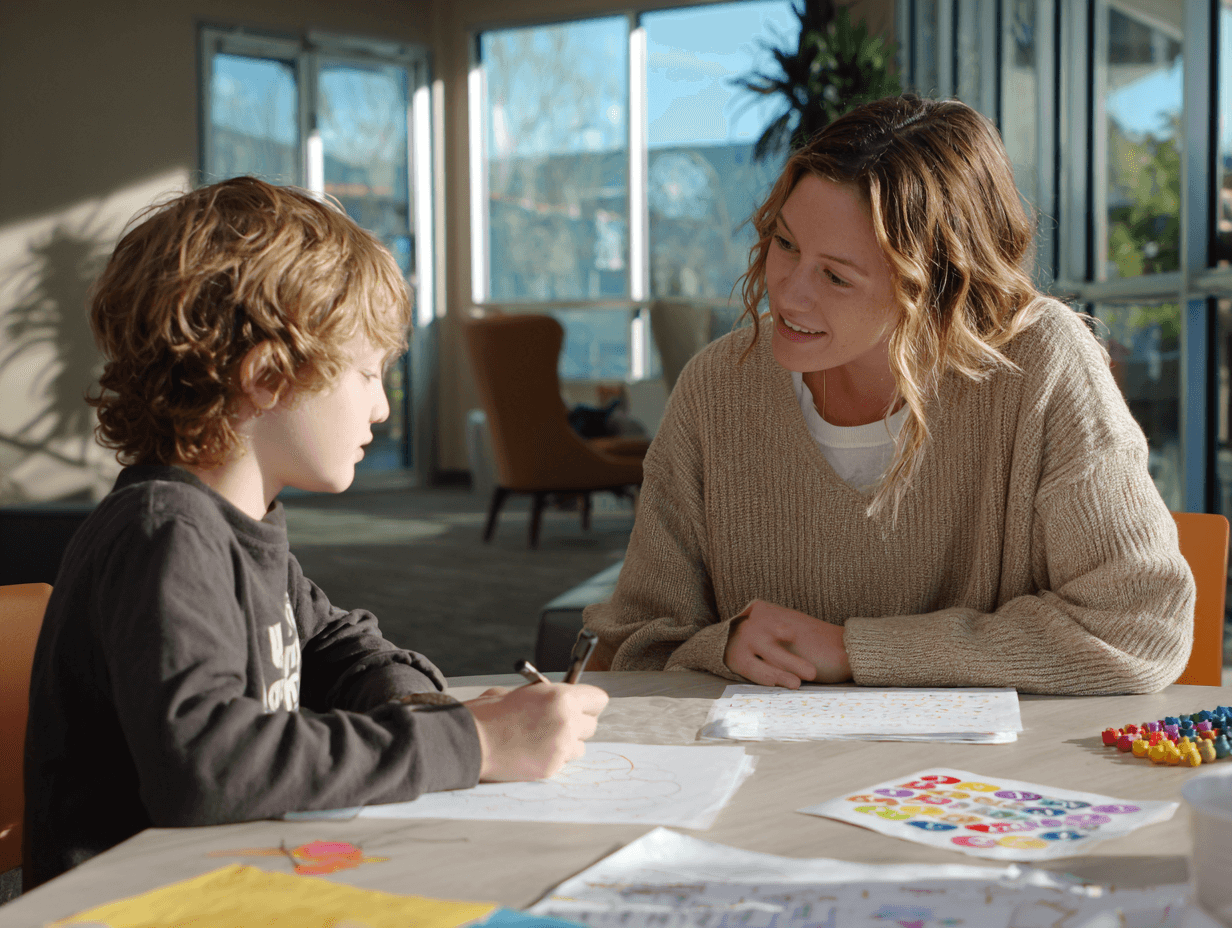
Learning disabilities affect how children process, understand, or express information. These challenges can impact reading, writing, math, or other academic areas. Our program provides specialized support that works with your child's unique learning style, building on their strengths while addressing areas of difficulty.
Types of Learning Disabilities We Support
- Dyslexia: Reading difficulties, including decoding, fluency, and comprehension
- Dyscalculia: Math difficulties, including number sense, calculation, and problem-solving
- Dysgraphia: Writing difficulties, including handwriting, spelling, and written expression
- Processing Disorders: Auditory or visual processing challenges
- Non-Verbal Learning Disabilities: Challenges with spatial reasoning, social cues, and motor skills
- Language-Based Learning Disabilities: Difficulties with language processing and expression
Our Approach
We use multisensory, evidence-based teaching methods that engage different learning pathways. Our approach is highly individualized, adapting to each child's specific learning disability and learning style. We focus on building confidence, teaching compensatory strategies, and helping children understand how they learn best.
Strategies We Use
- Multisensory instruction (visual, auditory, kinesthetic)
- Breaking tasks into smaller, manageable steps
- Repetition and practice with immediate feedback
- Using assistive technology and tools
- Teaching learning strategies and study skills
- Building on strengths and interests
Benefits
- Improved academic performance in affected areas
- Increased confidence and self-advocacy skills
- Better understanding of their learning style
- Development of compensatory strategies
- Reduced frustration and increased motivation
Ready to Get Started?
Contact us to discuss your child's learning needs and how we can provide specialized support.
Book a Consultation